


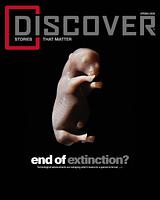
De-extinction: the last rhinos
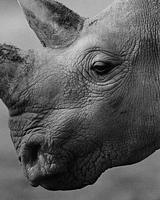
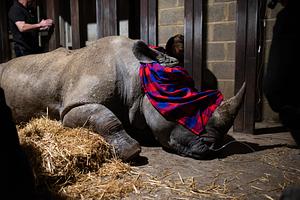
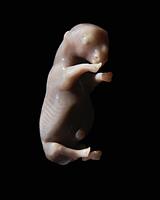
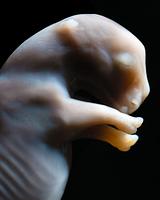
The rhinos huff as their squared lips tear at the grass, feeding their two ton bodies. They are the last two Northern White Rhinos remaining on earth, and for this reason they are heavily protected within Ol Pejeta Conservancy, Kenya. But 2000 years ago the story was quite different.
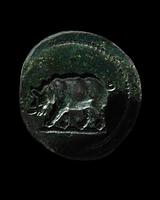
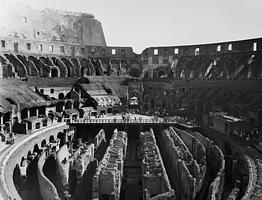
Martial describes a scene from the inauguration of the Colosseum in 80 AC:
“While the animal handlers fearfully goaded a rhino, the great beast held back its anger at long, and hope was lost in the much anticipated fight. Finally, its renowned fury returned. And with its double horn it lifted a heavy bear aloft, like a bull tossing puppets before it. […] Then it took on two steers, a fierce buffalo and a bison. A lion, in trying to escape him, fell onto the spears.”
Rome, its empire, and the Colosseum have captured the imagination of the world, and rightfully so. What was left behind is more than ruins; it is a material expression of ideas rooted in human sentiment. The Colosseum was arguably the most iconic of the empire’s achievements. The arena was a stage for the Romans’ dreams and desires. Here, life, survival, death, sorrow, and comic relief were presented to the public much like streaming services do today. Rome allows us to observe how a society is born, grows, and inevitably falls. This arc resonates with us and forces us to look inward in search of meaning before we too leave the stage of life. In ancient times wildlife was seen as an endless resource to be plundered for our enjoyment.
What do current scientific efforts tell us about our relationship to nature today? How will this be shaped moving forward?
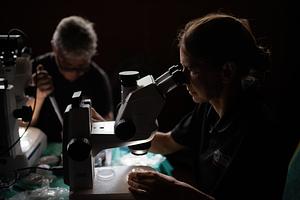
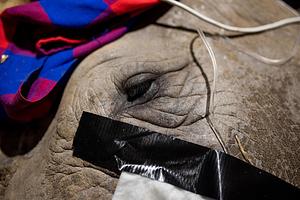
In the coming years, the international Biorescue team, headed by Prof Thomas Hildebrandt, will create a biobank with genetic materials. This bank will then be placed, in collaboration with NASA, on the dark side of the moon. It will act as a genetic archive for future. From the Colosseum arena to the dark side of the moon the destinies of man and rhino continue to entwine.